

Residential landscaping is one of the most reliable ways to increase your home's value, improve curb appeal, and create outdoor living space your family actually uses. According to the National Association of Realtors (2023), landscape upgrades recover up to 100% of project costs at resale, outperforming kitchen and bathroom renovations. But where do you start? This guide walks you through every decision, from budgeting and timing to choosing between softscape and hardscape, so your Northern Virginia yard project goes smoothly from day one.
Key Takeaways
- Residential landscaping includes softscape, hardscape, lighting, and water features, each with distinct budgets and timelines.
- Well-planned landscaping can boost property value by 10-12% (Virginia Cooperative Extension, 2022).
- Northern Virginia's best planting window runs from mid-March through May and again September through November.
- Hiring a professional saves time and avoids costly grading and drainage mistakes.
- Budget 10% of your home's value for a comprehensive landscape project (American Society of Landscape Architects, 2023).
What Is Residential Landscaping and Why Does It Matter?
Residential landscaping covers every outdoor improvement made to a home's property, from planting trees and shrubs to building patios and retaining walls. A Virginia Cooperative Extension report (2022) found that thoughtful landscaping increases a home's appraised value by 10-12%, making it one of the highest-ROI home improvements available.
The scope goes far beyond mowing the lawn. A complete residential landscaping plan addresses soil health, grading, drainage, plant selection, hardscape materials, outdoor lighting, and irrigation. Each of these elements works together. Skip one, and you risk water pooling against your foundation or plants dying within a season.
For homeowners in Ashburn, Leesburg, Reston, Vienna, McLean, Great Falls, Herndon, and Sterling, the local clay-heavy soil, humid summers, and freeze-thaw winters make planning especially important. What works in Southern California won't survive a Northern Virginia February.
Citation Capsule: Residential landscaping increases a home's appraised value by 10-12%, according to the Virginia Cooperative Extension (2022), making it the highest-return outdoor investment for Northern Virginia homeowners.
What Are the Main Types of Residential Landscaping?
Four categories define most residential landscaping projects: softscape, hardscape, outdoor lighting, and water features. The American Society of Landscape Architects (2023) reports that homeowners who combine at least two categories see 15-20% higher satisfaction scores than those focused on a single element.
Softscape: Plants, Trees, and Garden Beds
Softscape refers to every living element in your landscape. This includes trees, shrubs, perennials, annuals, ornamental grasses, ground cover, and turf. In Northern Virginia, native plants like Eastern Redbud, Virginia Sweetspire, and Black-Eyed Susan thrive with minimal maintenance because they've adapted to the region's clay soil and USDA Zone 7a climate.
Good softscape design layers plants by height, bloom time, and seasonal color. You want something blooming or showing texture in every season. A professional designer considers root systems, mature canopy spread, sun exposure, and deer resistance, which matters tremendously in Loudoun and Fairfax County.
Homeowners in Great Falls and McLean often underestimate deer pressure. Choosing deer-resistant natives from the start saves years of frustration and replanting costs.
Hardscape: Patios, Walkways, and Retaining Walls
Hardscape includes every non-living structural element: patios, walkways, retaining walls, driveways, fire pits, outdoor kitchens, and pergolas. According to the National Association of Home Builders (2024), patios and outdoor living spaces rank among the top three most-requested features for new and renovated homes.
Material choices in Northern Virginia need to account for freeze-thaw cycles. Natural stone, interlocking pavers, and poured concrete each have different price points and maintenance needs. Flagstone costs more upfront but handles frost heave better than poured concrete, which can crack after repeated freezing.

Outdoor Lighting: Safety and Ambiance
Landscape lighting extends the usability of your outdoor space well past sunset. Path lights, uplights on trees, step lights on retaining walls, and accent lighting on architectural features all serve both safety and aesthetic purposes.
LED landscape lighting has dropped in cost significantly over the past five years. The U.S. Department of Energy (2023) notes that LED fixtures use 75% less energy than halogen alternatives and last 25 times longer, making them the standard for residential installations.
Water Features: Ponds, Fountains, and Streams
Water features add sound, movement, and a focal point to any landscape. Options range from simple bubbling rocks (under $2,000 installed) to full koi ponds with waterfalls ($8,000-$15,000+). They also attract pollinators and beneficial wildlife, which supports the surrounding garden ecosystem.
In our experience, a well-placed bubbling rock or small pondless waterfall delivers the highest satisfaction-to-cost ratio for Northern Virginia homeowners. They require less maintenance than full ponds and still provide that calming water sound.
Citation Capsule: Homeowners who combine at least two landscaping categories, such as softscape and hardscape, report 15-20% higher satisfaction scores, according to the American Society of Landscape Architects (2023).
How Much Does Residential Landscaping Cost?
The average residential landscaping project in the U.S. costs between $4,000 and $20,000, with the HomeAdvisor/Angi national average sitting at $8,000-$15,000 (2024). In Northern Virginia, costs trend 15-25% higher than national averages due to the region's higher labor rates and clay soil conditions requiring additional grading work.
Budget Guidelines by Project Size
Here's what to expect for different scopes of work:
- Basic refresh (mulch, seasonal plantings, lawn repair): $1,500-$4,000
- Mid-range project (new garden beds, walkway, small patio): $8,000-$20,000
- Comprehensive transformation (full design, hardscape, softscape, lighting): $25,000-$75,000+
The American Society of Landscape Architects (2023) recommends budgeting approximately 10% of your home's value for a comprehensive landscape plan. For a $750,000 home in Ashburn or Reston, that's $75,000, which sounds significant but recovers most of its cost at resale.
Where the Money Goes
Most residential landscaping budgets break down roughly as follows:
- Hardscape (patios, walls, walkways): 40-50% of total budget
- Softscape (plants, trees, soil amendments): 25-35%
- Lighting and irrigation: 10-15%
- Design fees: 5-10%
Don't cut corners on drainage and grading. We've found that projects skipping proper drainage work often need $3,000-$5,000 in corrections within two years. It's cheaper to do it right the first time.
Northern Virginia landscaping costs run 15-25% above national averages due to clay soil conditions, higher labor rates, and stricter county grading requirements in Fairfax and Loudoun.
Citation Capsule: The average residential landscaping project costs $8,000-$15,000 nationally according to HomeAdvisor/Angi (2024), with Northern Virginia projects running 15-25% higher due to clay soil, labor costs, and county grading requirements.
When Is the Best Time to Start a Residential Landscaping Project?
Timing depends on what you're installing. The Virginia Cooperative Extension (2022) identifies two prime planting windows for Northern Virginia: mid-March through May and September through mid-November, when soil temperatures support root establishment without heat stress.
Northern Virginia Seasonal Landscaping Calendar
Late Winter (February - March) - Finalize your design plan and sign contracts - Schedule hardscape work before the spring rush - Prune dormant trees and shrubs
Spring (April - May) - Install new garden beds, trees, and shrubs - Lay sod or seed bare lawn areas - Begin irrigation system installation - Pour concrete and set pavers (after last frost, typically mid-April)
Summer (June - August) - Focus on maintenance: watering, weeding, mulching - Install landscape lighting (ground is firm, trenching is easy) - Build pergolas, arbors, and overhead structures - Avoid major planting in July and August heat
Fall (September - November) - Prime window for planting trees, shrubs, and perennials - Install hardscape before ground freezes (November deadline) - Aerate and overseed lawns (September is ideal) - Apply fall fertilizer
Winter (December - January) - Plan and design next year's project - Review drainage issues visible after rain and snowmelt - Order materials for spring installation at off-season pricing
Many Northern Virginia homeowners wait until spring to start planning, but the best approach is signing a design contract in January or February. This locks in contractor availability and material pricing before the spring rush drives wait times to 6-8 weeks.
Citation Capsule: Northern Virginia's two prime planting windows run mid-March through May and September through mid-November, according to the Virginia Cooperative Extension (2022), when soil temperatures support root establishment without summer heat stress.
Should You DIY or Hire a Professional Landscaping Company?
For projects over $5,000, hiring a professional landscaping company typically saves money in the long run. A University of Michigan study (2022) on residential construction found that DIY outdoor projects have a 35% higher rate of requiring professional remediation within three years compared to professionally installed work.
When DIY Makes Sense
Some tasks are well-suited for handy homeowners:
- Planting annuals and small perennials in existing beds
- Spreading mulch (2-3 inches, keeping it away from tree trunks)
- Basic lawn care: mowing, edging, fertilizing on a schedule
- Installing simple drip irrigation for garden beds
- Placing solar-powered path lights
When to Hire a Professional
Other tasks carry real risk if done incorrectly:
- Grading and drainage: Getting the slope wrong sends water toward your foundation, not away from it.
- Retaining walls over 2 feet: These require engineering for structural integrity and often Fairfax or Loudoun County permits.
- Tree removal or major pruning: Safety hazard, and improper cuts can kill mature trees.
- Patio and walkway installation: Proper base preparation (compacted gravel, leveling sand) determines whether pavers stay flat or heave.
- Irrigation system design: Wrong pressure calculations waste water and leave dead zones.
How do you know you've found the right company? Look for licensed contractors with verifiable portfolios, check Virginia DPOR licensing, and ask for references in your specific neighborhood. Companies with deep local experience understand Northern Virginia's specific soil, climate, and county permit requirements.
Citation Capsule: DIY outdoor landscaping projects have a 35% higher rate of requiring professional remediation within three years compared to professionally installed work, according to a University of Michigan study (2022).
How Do You Maintain a Residential Landscape After Installation?
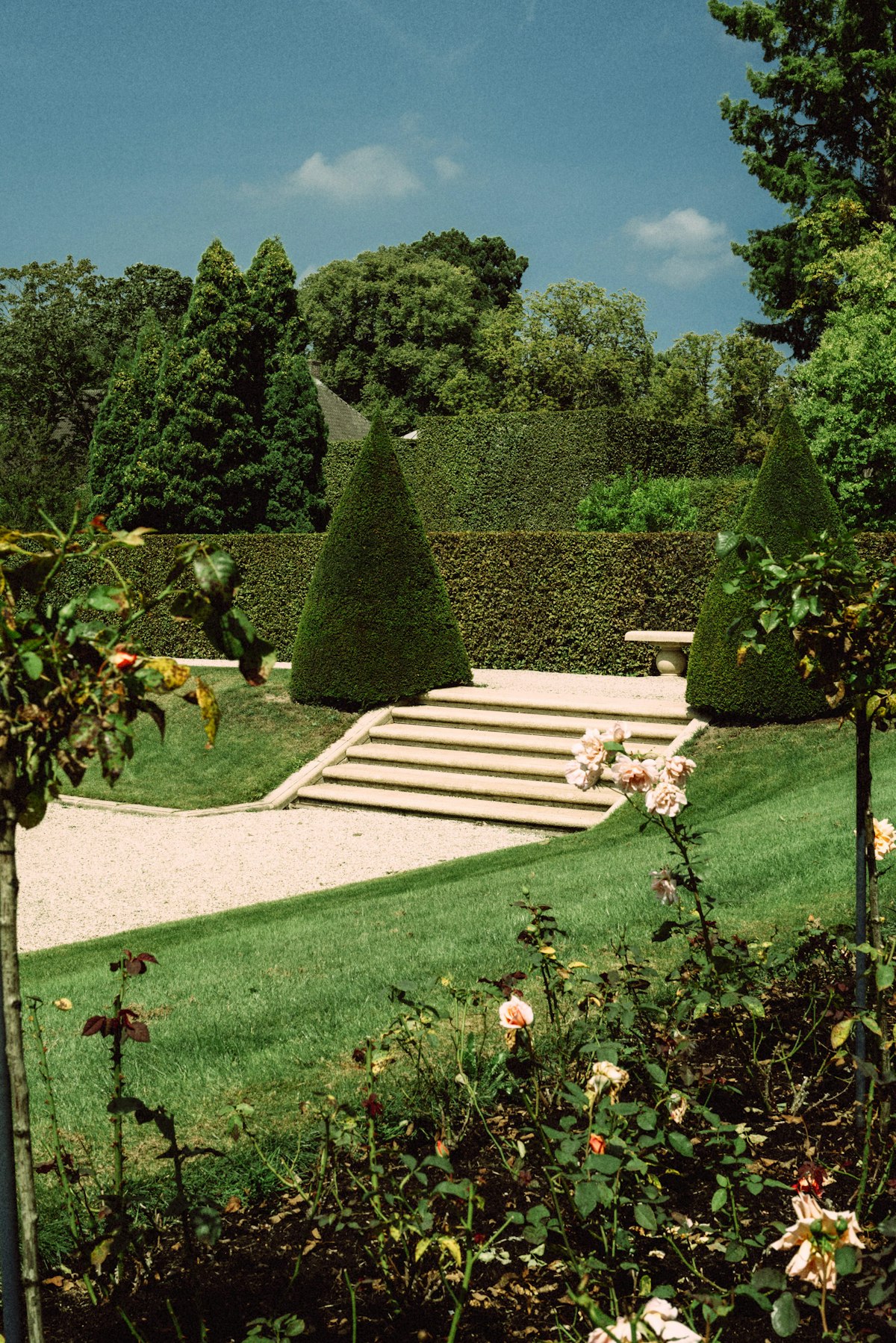
Ongoing maintenance protects your investment and keeps your property looking sharp year-round. The National Association of Landscape Professionals (2023) estimates that consistent maintenance preserves 90% of a landscape's initial value over 10 years, while neglected landscapes lose 50% of their value within five years.
Essential Maintenance Tasks by Season
Spring: Clean garden beds, apply pre-emergent weed control, mulch (2-3 inches), inspect irrigation, prune spring-flowering shrubs after bloom.
Summer: Water deeply and infrequently (1 inch per week), monitor for pests and disease, deadhead perennials, mow at 3-3.5 inches to shade root systems.
Fall: Aerate and overseed lawn, plant spring-blooming bulbs, cut perennials back after first hard frost, blow leaves from beds and lawn.
Winter: Protect tender plants with burlap wraps, inspect hardscape for frost damage, clean and store outdoor furniture, sharpen mower blades.
The Cost of Maintenance
Professional residential landscape maintenance in Northern Virginia ranges from $150-$400 per month for a typical quarter-acre property. That covers mowing, edging, blowing, seasonal bed maintenance, and basic pruning. Irrigation management and pest control are usually add-on services.
Is monthly maintenance worth it? Consider this: replacing a single mature shade tree costs $2,000-$5,000, while annual care to keep it healthy runs about $200-$400. Prevention is almost always cheaper than replacement.
Citation Capsule: Consistent landscape maintenance preserves 90% of a property's initial landscaping value over 10 years, while neglected landscapes lose 50% of their value within five years, according to the National Association of Landscape Professionals (2023).
What Increases Property Value the Most?
Not all landscaping investments deliver equal returns. The National Association of Realtors (2023) Remodeling Impact Report ranks landscape maintenance, overall landscape upgrade, and new patio installation as the top three exterior projects for cost recovery at resale.
Highest-ROI Landscaping Projects
- Standard lawn care and maintenance: 217% cost recovery (NAR, 2023)
- Overall landscape upgrade: 100% cost recovery
- New patio: 95% cost recovery
- New wood deck: 89% cost recovery
- Landscape lighting: 50-75% cost recovery (varies by scope)
Curb appeal matters more than most homeowners realize. According to a Journal of Real Estate Finance and Economics study (2020), homes with professionally landscaped front yards sell 5.5-12.7% faster than comparable homes without landscaping.
For Northern Virginia specifically, mature trees are among the most valuable landscape assets. A single large shade tree can add $1,000-$10,000 to a property's appraised value, according to the Arbor Day Foundation (2023). In neighborhoods like Great Falls, McLean, and Vienna, where lot sizes and tree canopy are selling points, this matters considerably.
In the Northern Virginia market, homes with comprehensive front-yard landscaping and defined outdoor living spaces consistently appraise higher and spend fewer days on market, particularly in the $600K-$1.2M range that dominates Loudoun and Fairfax County.
Citation Capsule: Standard lawn care and maintenance delivers a 217% cost recovery at resale, the highest of any exterior improvement, according to the National Association of Realtors' 2023 Remodeling Impact Report.
Frequently Asked Questions About Residential Landscaping
How long does a residential landscaping project take?
Most residential landscaping projects take 2-6 weeks from design approval to completion. Simple garden bed installations finish in a few days, while comprehensive projects with hardscape, grading, and planting can stretch to 8-12 weeks. The National Association of Landscape Professionals (2023) notes that weather delays add 1-2 weeks on average in the Mid-Atlantic region. Book early to avoid the spring backlog.
How much should I budget for residential landscaping?
Plan to invest 5-10% of your home's assessed value for a comprehensive landscape project, according to the American Society of Landscape Architects (2023). In Northern Virginia, a mid-range project typically runs $8,000-$20,000, while a full property transformation with hardscape, softscape, lighting, and irrigation ranges from $25,000-$75,000+. Start with a professional design consultation to get an accurate scope.
Do I need a permit for landscaping work in Northern Virginia?
It depends on the scope. Fairfax County and Loudoun County both require permits for retaining walls over 30 inches, any grading that changes drainage patterns, and structures like pergolas or outdoor kitchens. Simple planting, mulching, and patio installations on flat ground typically don't need permits. Your landscaping company should handle all permit applications as part of their service.
What's the difference between a landscaper and a landscape designer?
A landscaper installs and maintains outdoor spaces, handling the physical construction and planting. A landscape designer creates the plan, specifying plant placement, material choices, grading, and drainage solutions. Many full-service residential landscaping companies, including firms serving Northern Virginia, employ both designers and installation crews in-house to streamline the process.
Can landscaping really increase my home's value?
Yes, and the data is clear. The National Association of Realtors (2023) found that overall landscape upgrades recover 100% of their cost at resale, while standard lawn maintenance returns 217%. Homes with professional landscaping also sell 5.5-12.7% faster according to the Journal of Real Estate Finance and Economics (2020). In competitive Northern Virginia markets like McLean and Great Falls, curb appeal can be the deciding factor for buyers.
Start Your Residential Landscaping Project the Right Way
A successful residential landscaping project starts with a clear plan, realistic budget, and the right team. Whether you're refreshing tired garden beds in Reston, building a patio and outdoor kitchen in Ashburn, or transforming a blank-slate yard in Leesburg, the principles are the same: understand your soil, respect the seasons, and invest in quality installation.
The best time to start planning is now. Northern Virginia's spring planting window opens in mid-March, and contractors book up fast. A professional design consultation gives you a detailed scope, accurate budget, and a timeline you can count on.
Sunrise Landscape and Design has served Northern Virginia homeowners for over 39 years. Schedule a free landscaping consultation to discuss your project with an experienced designer who knows your neighborhood, your soil, and what grows best in your specific conditions.