

A well-planned residential landscape design does more than improve curb appeal. According to the National Association of Realtors, 2023, a landscape upgrade can recover 100% of its cost at resale, with some outdoor projects returning up to 150%. Yet most homeowners don't know where to start. This guide walks you through the full process, from initial planning and budgeting to plant selection, hardscaping, lighting, and long-term maintenance. Whether you're refreshing tired planting beds or rethinking your entire property, you'll find practical steps grounded in real data and Virginia-specific growing conditions.
Key Takeaways
- Landscape projects recover 100% or more of their cost at resale (NAR, 2023).
- Northern Virginia's Zone 7a climate shapes every plant and material decision.
- A phased approach lets homeowners spread costs across multiple seasons.
- Professional design plans reduce costly rework and plant loss.
- Hardscape and softscape should work together from day one.
What Is Residential Landscape Design and Why Does It Matter?
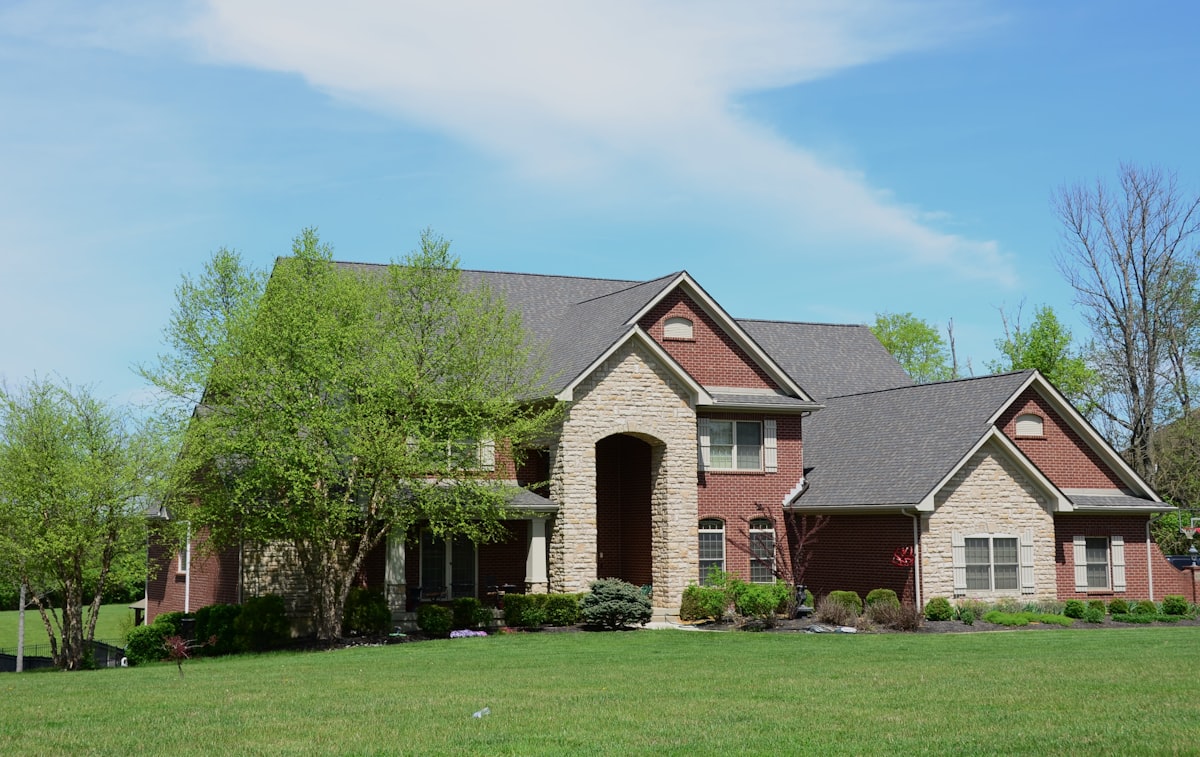
Residential landscape design is the process of planning outdoor spaces around a home for function, beauty, and long-term value. A Virginia Tech Extension study found that mature landscaping can increase a home's value by 10-12%. That makes it one of the highest-returning improvements a homeowner can make.
Good design balances aesthetics with practical needs. It addresses drainage, privacy screening, outdoor living space, and seasonal color. For Northern Virginia homeowners, it also means working within USDA Hardiness Zone 7a, where winter lows dip to 0-5 degrees Fahrenheit and summers bring humid heat.
Citation Capsule: Residential landscape design increases home values by 10-12% according to Virginia Tech Extension research. In Northern Virginia's Zone 7a climate, proper plant selection and drainage planning are essential to protecting that investment over time.
The Difference Between Landscaping and Landscape Design
Landscaping refers to the physical work of installing plants, grading soil, and building structures. Landscape design is the planning phase that happens first. It involves site analysis, spatial layout, plant specification, and material selection. Think of design as the blueprint and landscaping as the construction. Skipping the design step is how homeowners end up with drainage problems, overcrowded beds, and mismatched materials.
How Do You Start Planning a Home Landscape Design?
Start with a site assessment. The American Society of Landscape Architects (ASLA) reports that 83% of homeowners consider outdoor living spaces important, yet fewer than 30% begin with a formal plan. A structured planning phase prevents expensive mistakes later.
Step 1: Assess Your Property
Walk your lot and note sun exposure, slopes, drainage patterns, and existing trees. In Northern Virginia, heavy clay soils (Piedmont region) and rocky substrates (closer to the Blue Ridge) directly affect what you can plant and where you can build. Identify wet spots after rain. Note which areas get full sun versus shade throughout the day.
Step 2: Define Your Goals
Write down what you want from your outdoor space. Common priorities include:
- Curb appeal for the front yard
- Privacy screening from neighbors
- Outdoor entertaining with a patio or fire pit area
- Low-maintenance plantings that look good year-round
- Play space for children or pets
Rank these by importance. Your budget won't cover everything at once, so knowing your priorities keeps the project focused.
Homeowners who document their goals before the first design meeting get more accurate proposals and fewer change orders during installation.
Step 3: Research Local Regulations
Fairfax County, Loudoun County, and other Northern Virginia jurisdictions enforce setback requirements, stormwater management rules, and tree preservation ordinances. Before removing any tree over a certain caliper, check your county's tree conservation policy. HOA guidelines may further restrict fence heights, plant species, or hardscape materials.
How Much Does Residential Landscape Design Cost?
The average landscape design project in the U.S. costs between $4,000 and $20,000 for installation, according to HomeAdvisor (2024). Design fees alone typically range from $2,000 to $6,000 depending on property size and project complexity. In Northern Virginia, costs tend to run 10-15% above national averages due to higher labor rates and material costs.
Breaking Down the Budget
| Category | Typical Range |
|---|---|
| Design fees | $2,000 - $6,000 |
| Softscape (plants, soil, mulch) | $3,000 - $15,000 |
| Hardscape (patios, walls, walks) | $5,000 - $30,000+ |
| Outdoor lighting | $2,000 - $8,000 |
| Irrigation systems | $2,500 - $5,000 |
Phasing Your Investment
You don't need to do everything in one season. A phased approach spreads costs over two to three years. Start with hardscape and grading (these are disruptive and set the foundation), then add plantings in spring or fall. Lighting and irrigation can follow in a later phase. This method keeps your landscape on track without straining your finances.
Many homeowners overspend on plantings in year one and underspend on hardscape. Reversing that order, building patios and retaining walls first, saves money because you won't damage new plants with heavy equipment later.
Citation Capsule: According to HomeAdvisor's 2024 data, the average U.S. landscape project costs $4,000 to $20,000 for installation. Northern Virginia homeowners should budget 10-15% above national averages due to regional labor and material premiums.
Which Landscape Design Styles Work Best for Virginia Homes?
The best residential landscaping design style depends on your home's architecture, lot size, and maintenance commitment. The National Association of Landscape Professionals (NALP) found that 67% of homeowners prefer a mix of formal structure near the house with naturalistic plantings further out. That hybrid approach works exceptionally well in Northern Virginia.
Traditional and Colonial
Virginia's Colonial-era architecture pairs naturally with formal beds, boxwood hedging, and symmetrical layouts. Use American boxwood (Buxus sempervirens), a Virginia native, as the structural backbone. Add seasonal color with perennials like black-eyed Susans and coneflowers.
Contemporary and Minimalist
Clean lines, architectural grasses, and large-format pavers define this style. Ornamental grasses like Karl Foerster feather reed grass thrive in Zone 7a and provide year-round structure with minimal care.
Naturalistic and Native
Native plant gardens reduce water use and support local pollinators. The Virginia Native Plant Society recommends species like Eastern redbud, Virginia sweetspire, and inkberry holly for low-maintenance residential landscapes.
What Plants Thrive in Northern Virginia's Zone 7a Climate?
Plant selection is where many DIY projects fail. The USDA Plant Hardiness Zone Map (2023 update) places Northern Virginia firmly in Zone 7a, meaning winter temperatures can drop to 0-5 degrees Fahrenheit. Choosing plants rated for this zone prevents winter die-off and wasted spending.
Trees for Structure and Shade
- Red maple (Acer rubrum): Fast-growing native, brilliant fall color
- Eastern redbud (Cercis canadensis): Spring blooms, understory-friendly
- Willow oak (Quercus phellos): Elegant canopy, tolerates clay soil
- Yoshino cherry (Prunus x yedoensis): Ornamental spring display
Shrubs for Year-Round Interest
- Inkberry holly (Ilex glabra): Evergreen native, deer-resistant
- Virginia sweetspire (Itea virginica): White summer blooms, red fall foliage
- Winterberry (Ilex verticillata): Bright red berries through December
- Oakleaf hydrangea (Hydrangea quercifolia): Multi-season interest, shade-tolerant
Perennials for Seasonal Color
- Black-eyed Susan (Rudbeckia fulgida): Summer through fall blooms
- Lenten rose (Helleborus orientalis): Late winter flowers when nothing else blooms
- Purple coneflower (Echinacea purpurea): Pollinator magnet, drought-tolerant
- Blue Star (Amsonia hubrichtii): Fine-textured gold fall foliage
Dealing with Virginia's Clay Soil
Most of Northern Virginia sits on heavy Piedmont clay. This soil holds moisture but drains poorly and compacts easily. Amend planting beds with 3-4 inches of compost tilled into the top 12 inches. Avoid over-amending individual planting holes, as this creates a "bathtub effect" where water pools around the root ball. Raised beds and proper grading solve chronic drainage issues.
In Ashburn and Leesburg developments built on Piedmont clay, we've found that adding a 2-inch gravel drainage layer beneath raised planting beds significantly reduces root rot in the first two growing seasons.
Citation Capsule: The USDA's 2023 Plant Hardiness Zone Map classifies Northern Virginia as Zone 7a, with winter lows of 0-5 degrees Fahrenheit. Selecting plants rated for this zone is the single most effective way to prevent costly plant replacement.
How Does Hardscaping Fit Into Residential Landscape Design?
Hardscaping provides the structural framework for your entire landscape. According to the National Association of Realtors 2023 Remodeling Impact Report, a new patio recovers roughly 95% of its cost at resale. Patios, walkways, retaining walls, and fire features define how people move through and use outdoor space.
Choosing Materials
Northern Virginia homeowners commonly choose from:
- Natural flagstone: Timeless look, varies in color and texture, requires skilled installation
- Concrete pavers: Consistent sizing, wide color range, easier to repair
- Brick: Classic Virginia aesthetic, works with Colonial and traditional homes
- Dry-stacked stone walls: Natural appearance, excellent for retaining slopes
Integrating Hardscape and Softscape
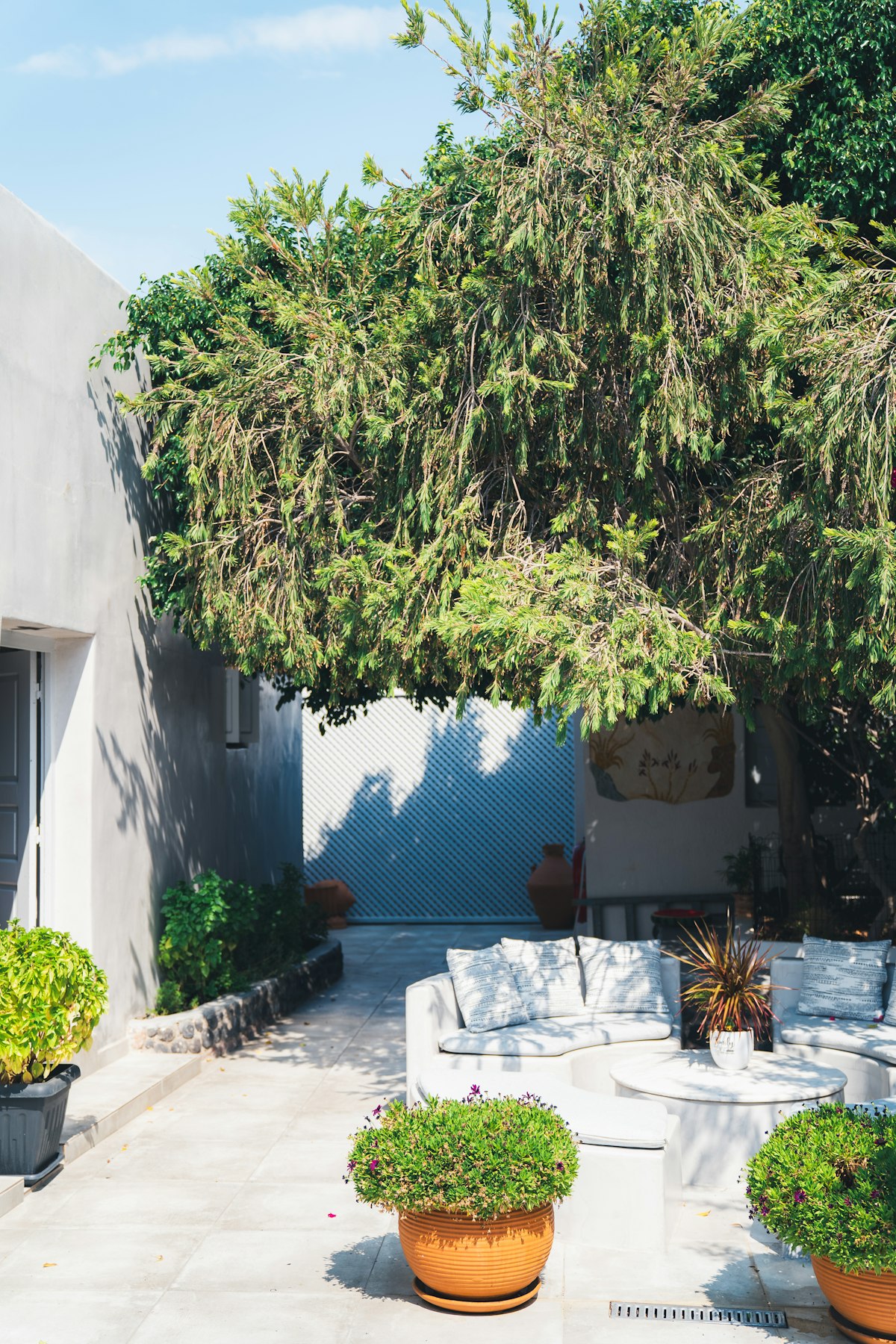
The best residential landscape designs weave hard and soft elements together. A stone patio surrounded by bare lawn feels disconnected. Adding planting pockets between pavers, border beds along walls, and container plantings on the patio creates a cohesive look. Plan both elements simultaneously so one doesn't compromise the other.
Why Is Landscape Lighting Worth the Investment?
Outdoor lighting extends usable hours, improves safety, and adds dramatic nighttime appeal. The American Lighting Association notes that professional landscape lighting can increase perceived home value by up to 20%. It's one of the most cost-effective upgrades in a residential landscape design plan.
Key Lighting Techniques
- Path lighting: Low fixtures along walkways for safety and wayfinding
- Uplighting: Ground-mounted fixtures aimed upward to highlight tree canopies and architectural features
- Downlighting (moonlighting): Fixtures mounted in trees casting soft, diffused light below
- Accent lighting: Focused beams on focal points like water features, sculptures, or specimen plants
LED and Low-Voltage Systems
Modern LED landscape lights use a fraction of the energy of older halogen systems. Low-voltage (12V) systems are safer for DIY-adjacent installation, though professional design ensures proper transformer sizing and even light distribution. Expect LEDs to last 40,000-50,000 hours, roughly 15-20 years of typical evening use.
So what's the catch? Poorly placed fixtures create glare, light pollution, or unflattering shadows. Professional lighting design accounts for sight lines, fixture spacing, and seasonal foliage changes that affect light patterns.
What Maintenance Does a Designed Landscape Require?
A well-designed landscape reduces maintenance, but it doesn't eliminate it. The National Association of Landscape Professionals (NALP) found that Americans spend an average of $503 per month on professional lawn and landscape services. Proper design choices upfront can lower that figure significantly.
Seasonal Maintenance Calendar for Northern Virginia
Spring (March - May)
- Apply pre-emergent weed control by mid-March
- Divide overgrown perennials
- Mulch beds with 2-3 inches of hardwood mulch
- Start irrigation system and check for leaks
Summer (June - August)
- Water deeply but infrequently (1 inch per week for most plants)
- Deadhead perennials to extend bloom time
- Monitor for Japanese beetles, a major Zone 7a pest
- Prune spring-flowering shrubs after they finish blooming
Fall (September - November)
- Plant trees and shrubs (fall planting gives roots time to establish before summer stress)
- Overseed cool-season lawns in early September
- Clean gutters and drainage channels before leaf drop
- Apply fall fertilizer to turf
Winter (December - February)
- Protect broadleaf evergreens from desiccation with burlap windbreaks if needed
- Plan next year's improvements
- Schedule early design consultations to lock in spring installation dates
In our experience serving Ashburn, Leesburg, Reston, Vienna, McLean, Great Falls, Herndon, Sterling, and surrounding Northern Virginia communities, fall-planted trees and shrubs show 20-30% better survival rates compared to spring installations, because roots establish during cool weather before facing summer heat.
Citation Capsule: According to the National Association of Landscape Professionals, Americans spend an average of $503 per month on professional landscape services. Designing with low-maintenance native plants and proper bed preparation can reduce those ongoing costs by 30-40%.
Frequently Asked Questions
How long does the residential landscape design process take?
A typical residential landscape design takes 3-6 weeks from initial consultation to final plan. According to ASLA, complex projects with grading, drainage, and multi-phase plans may require 8-12 weeks. Installation timelines vary by scope, but most residential projects complete within 2-4 weeks of breaking ground.
What's the best time of year to start a landscape project in Virginia?
Fall is the ideal planting season in Northern Virginia. Soil temperatures remain warm enough for root growth while cooler air reduces transplant stress. Spring works well for hardscape-heavy projects. Avoid major plantings during Virginia's hot, humid July and August unless irrigation is already in place.
Can I design my own landscape or should I hire a professional?
Simple projects like refreshing a front bed or adding a garden path are manageable for handy homeowners. For projects involving grading, drainage, retaining walls, or full-property design, professional help prevents costly errors. The NALP reports that professionally designed landscapes see 15-25% higher property value increases compared to DIY installations.
How do I choose between natural stone and concrete pavers?
Natural stone offers a unique, organic appearance but costs more and requires experienced installers. Concrete pavers provide consistent dimensions, easier replacement, and broader color options at a lower price point. For Northern Virginia's freeze-thaw cycles, both perform well when installed on a properly compacted gravel base with adequate drainage.
How much water does a new landscape need?
New plantings require 1-1.5 inches of water per week during their first growing season. After establishment (typically one full year for shrubs, two to three years for trees), most Zone 7a-adapted plants need supplemental water only during extended dry spells. Drip irrigation reduces water waste by delivering moisture directly to root zones.
Start Your Residential Landscape Design
A thoughtful landscape design transforms your property's appearance, function, and value. The data is clear: landscaping recovers more of its cost at resale than most interior renovations. For Northern Virginia homeowners, working with Zone 7a conditions rather than against them is the key to a landscape that looks great and lasts.
Whether you're planning a full property redesign or upgrading one area at a time, the right design plan saves money, reduces maintenance, and creates outdoor spaces you'll actually use.
Ready to get started? Schedule a free residential landscape design consultation with Sunrise Landscape and Design. With 39+ years of experience serving Ashburn, Leesburg, Reston, Vienna, McLean, Great Falls, Herndon, Sterling, and surrounding Northern Virginia communities, we'll help you create a landscape that works for your home, your budget, and your lifestyle.
[Contact us today to schedule your free consultation →]