

Finding a qualified hardscape contractor near you starts with checking Virginia's Department of Professional and Occupational Regulation (DPOR) for an active Class A, B, or C contractor license. According to the National Association of Landscape Professionals (NALP, 2025), homeowners who verify licensing and insurance before hiring report 73% fewer project disputes. In Northern Virginia, where freeze-thaw cycles test every patio and retaining wall, choosing the right contractor isn't just about aesthetics. It's about structural longevity.
This guide walks you through what hardscaping actually includes, how to vet contractors in Virginia, realistic cost ranges, and the questions you should ask before signing a contract. Whether you're planning a flagstone patio in Ashburn or a retaining wall in Great Falls, you'll finish this guide ready to hire with confidence.
Key Takeaways
- Always verify a Virginia hardscape contractor's DPOR license before signing a contract
- Expect to invest $15 to $75+ per square foot depending on materials and project scope (HomeAdvisor, 2025)
- Ask for three recent local references, proof of insurance, and a detailed written estimate
- Northern Virginia's clay soils and freeze-thaw cycles demand proper base preparation for lasting results
- Get at least three bids, but don't choose on price alone
What Does Hardscaping Include?
Hardscaping covers every non-living structural element in your outdoor space. The American Society of Landscape Architects reports that well-designed hardscaping can increase a home's resale value by up to 15% (ASLA, 2024). For Northern Virginia homeowners, hardscape projects typically fall into five main categories.
Patios and Outdoor Living Spaces
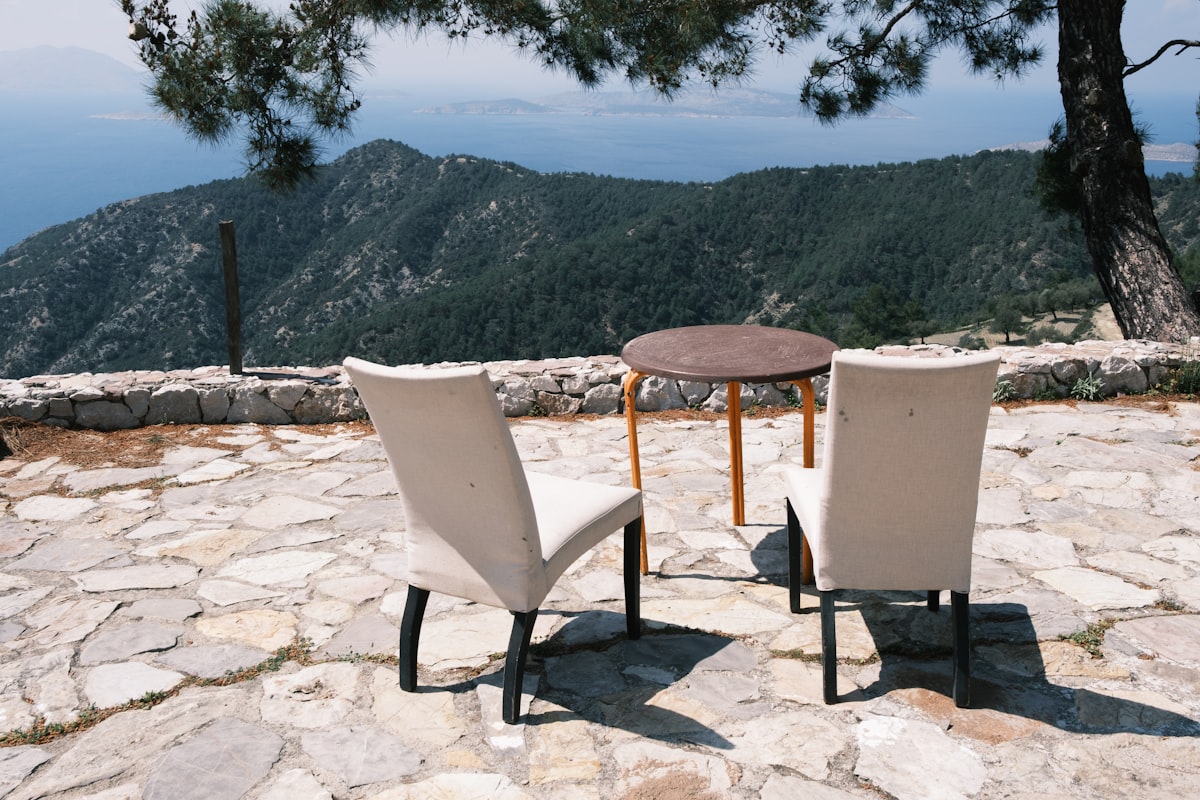
Patios are the most popular hardscape project in the region. Materials range from poured concrete and pavers to natural Virginia bluestone and flagstone. A well-built patio becomes the foundation of your outdoor living area, connecting your home to your yard.
Walkways and Pathways
Hardscape walkways guide foot traffic, prevent lawn erosion, and add curb appeal. Brick, bluestone, and tumbled pavers are common choices in Northern Virginia neighborhoods. Curved pathways through garden beds create visual interest while serving a practical purpose.
Retaining Walls
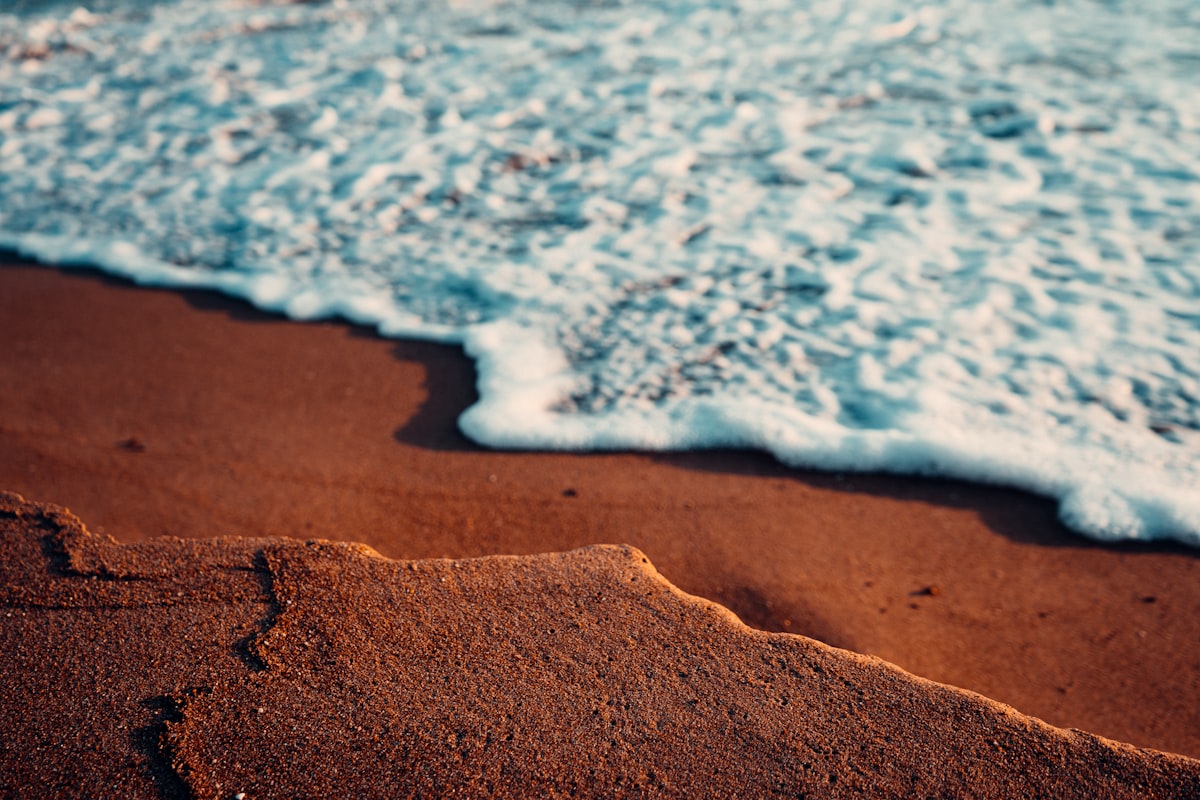
On Northern Virginia's rolling terrain, retaining walls solve grading problems and create usable yard space. They hold back soil on sloped lots, prevent erosion, and add tiered planting areas. Virginia fieldstone and manufactured block are the most common materials locally.
Fire Pits and Fireplaces
Outdoor fire features extend your usable outdoor season well into Virginia's cooler months. Built-in fire pits range from simple stone rings to elaborate gas-fed designs with seating walls. They're among the highest-ROI hardscape additions.
Outdoor Kitchens
A full outdoor kitchen includes countertops, built-in grills, storage, and sometimes refrigeration. These projects require coordination between hardscape contractors, electricians, and plumbers. They're complex but transform how families use their backyards.
Hardscaping encompasses patios, walkways, retaining walls, fire pits, and outdoor kitchens. The American Society of Landscape Architects found that quality hardscaping increases home resale value by up to 15% (ASLA, 2024), making it both a functional improvement and a financial investment.
How Do You Vet a Hardscape Contractor in Virginia?
Vetting a hardscape contractor in Virginia starts with a single database: the DPOR license lookup. The Virginia DPOR requires contractors handling projects over $1,000 to hold an active license (Virginia DPOR, 2025). Skipping this step is the most common, and most expensive, mistake homeowners make.
Check Virginia DPOR Licensing
Virginia classifies contractor licenses by project value. Class C covers projects up to $10,000, Class B up to $120,000, and Class A handles anything above that. Search the DPOR database online using the contractor's business name. If they're not listed, walk away. No exceptions.
In our experience working with Northern Virginia homeowners, about 1 in 5 "contractors" soliciting through door-to-door visits or social media ads lack proper Virginia licensing. Legitimate companies welcome the question.
Verify Insurance Coverage
Ask for certificates of both general liability insurance and workers' compensation coverage. A single injury on your property without workers' comp could result in a lawsuit against you. Request the certificate directly from the insurance company, not a photocopy from the contractor.
Review Their Portfolio and References
Any contractor worth hiring has photos of completed projects. But photos aren't enough. Ask for three references from projects completed in the last 12 months. Call those homeowners. Ask if the project stayed on budget, on schedule, and if the contractor handled problems well.
Look for Industry Credentials
Membership in organizations like the National Association of Landscape Professionals (NALP) or Interlocking Concrete Pavement Institute (ICPI) signals ongoing education. These aren't required, but they show a contractor invests in staying current with best practices.
Virginia's DPOR requires hardscape contractors to hold an active license for projects exceeding $1,000, with Class A, B, and C tiers based on project value (Virginia DPOR, 2025). Homeowners can verify any contractor's status through the free DPOR online lookup tool.
What Questions Should You Ask Before Hiring?
The right questions separate experienced hardscape contractors from inexperienced ones. A HomeAdvisor survey (2024) found that homeowners who asked five or more screening questions were 60% more satisfied with their finished project. Don't feel awkward about asking. Professionals expect it.
Project-Specific Questions
Start with these questions during your initial consultation:
- Who will be the on-site project lead, and how do I reach them?
- What base preparation method do you use for this soil type?
- Do you pull the necessary permits, or is that my responsibility?
- What's your plan for managing stormwater drainage around this project?
- Will you provide a written timeline with milestones?
Material and Warranty Questions
Dig into the specifics of what you're actually paying for:
- What material brands and grades are included in this estimate?
- Do you warranty your labor? For how long?
- What happens if pavers settle or a retaining wall shifts within the first year?
- Are you using polymeric sand for paver joints?
Payment and Contract Questions
Never pay more than 10-15% upfront. That's an industry-standard deposit. The remaining payments should be tied to project milestones, not calendar dates. Get every detail in writing. Verbal promises mean nothing if a dispute arises.
We've found that the best contractors in Northern Virginia actually welcome detailed questions. They'll walk you through their process, explain why they choose specific base depths for our clay-heavy soil, and show you exactly which materials your quote includes. A contractor who gets defensive about questions is waving a red flag.
How Much Does Hardscaping Cost in Northern Virginia?
Hardscaping costs in Northern Virginia range from $15 to $75+ per square foot depending on the project type and materials. According to Angi (2025), the national average for a patio installation is $3,400, but Northern Virginia prices run 15-25% above national averages due to higher labor costs and material transportation.
Average Cost Ranges by Project Type
Here's what Northern Virginia homeowners typically invest in common hardscape projects:
| Project Type | Cost Range | Key Cost Drivers |
|---|---|---|
| Paver Patio (400 sq ft) | $6,000 - $16,000 | Material grade, pattern complexity |
| Bluestone Walkway (50 linear ft) | $3,500 - $8,000 | Stone thickness, base depth |
| Retaining Wall (50 linear ft, 3 ft tall) | $5,000 - $15,000 | Height, drainage needs, material |
| Fire Pit (built-in) | $2,000 - $6,000 | Gas vs. wood-burning, stone type |
| Outdoor Kitchen | $10,000 - $30,000+ | Appliances, countertop material, plumbing |
What Drives Price Differences?
Three factors cause the biggest price swings. First, material choice: Virginia fieldstone costs more than manufactured pavers, but it lasts longer and ages beautifully. Second, site preparation: sloped lots and heavy clay soil (common throughout Loudoun and Fairfax counties) require more excavation and base material. Third, project complexity: curves, multiple levels, and integrated lighting all add labor hours.
How to Compare Bids Fairly
Get at least three written estimates. Compare them line by line, not just the bottom number. A lower bid might skip proper base preparation, use thinner pavers, or exclude drainage, which leads to costly repairs within a few years. The cheapest bid rarely delivers the best long-term value.
In Northern Virginia specifically, we've seen a pattern where contractors who skip the 6-8 inch compacted gravel base (required for our clay soils) save money upfront but create patios that heave and crack within two to three winters. Paying 20% more for proper base work saves you from a full tear-out and rebuild later.
Northern Virginia hardscaping costs run 15-25% above national averages, with patio installations ranging from $6,000 to $16,000 for a 400-square-foot space (Angi, 2025). Material choice, site preparation requirements, and project complexity are the three primary cost drivers.
How Long Do Hardscape Projects Take to Complete?
Most residential hardscape projects in Northern Virginia take two to six weeks from start to finish. The National Association of Home Builders (NAHB, 2024) reports that weather delays extend outdoor construction timelines by an average of 30% in Mid-Atlantic climates. Planning your project timing around Virginia's seasons matters more than most homeowners realize.
Typical Project Timelines
Here's a realistic timeline breakdown for common projects:
- Paver patio (400 sq ft): 5-10 business days
- Walkway (50 linear ft): 3-5 business days
- Retaining wall (50 linear ft): 5-12 business days
- Fire pit: 3-7 business days
- Outdoor kitchen: 3-6 weeks
These timelines assume permits are already approved and materials are available. Supply chain delays can add one to three weeks, so discuss material availability during your initial consultation.
Best Time of Year for Hardscaping in Northern Virginia
Spring (March through May) and fall (September through November) are the ideal seasons. Summer heat doesn't prevent installation, but it's the busiest booking period, so lead times stretch. Winter installations are possible for some projects, but frozen ground complicates excavation and curing.
Book your contractor three to four months before your preferred start date. The best hardscape contractors in Ashburn, Leesburg, and Great Falls fill their spring schedules by January.
Why Does Northern Virginia's Climate Matter for Hardscaping?
Northern Virginia's climate creates unique challenges that directly affect how long your hardscape lasts. The USDA classifies this region as Hardiness Zone 7a, where winter temperatures regularly drop into the teens (USDA Plant Hardiness Zone Map, 2023). Those freeze-thaw cycles are the number one enemy of poorly installed hardscaping.
Freeze-Thaw Cycles and Base Preparation
Water seeps into small gaps between pavers and stones. When it freezes, it expands. When it thaws, it contracts. Repeat that cycle 40-60 times each winter, and improperly installed hardscaping shifts, cracks, and heaves. The solution is a deep compacted base, typically 6-8 inches of crushed gravel, that allows water to drain before it freezes.
Clay Soil Considerations
Most of Northern Virginia sits on heavy Piedmont clay soil. Clay expands when wet and contracts when dry, creating movement under your hardscape. A qualified local contractor understands this and adjusts base depth, compaction methods, and drainage planning accordingly. Contractors from outside the region often underestimate our soil conditions.
Local Material Advantages
Virginia fieldstone and Pennsylvania bluestone are the premium natural stone choices in our area. They're quarried regionally, which reduces cost compared to imported stone. Both materials handle freeze-thaw cycles exceptionally well. Locally sourced stone also blends naturally with Northern Virginia's existing architecture and landscape character.
Northern Virginia falls within USDA Hardiness Zone 7a, where freeze-thaw cycles occur 40-60 times per winter (USDA Plant Hardiness Zone Map, 2023). Proper base preparation with 6-8 inches of compacted gravel is essential to prevent heaving and cracking in the region's clay-heavy soils.
Frequently Asked Questions
How do I find a licensed hardscape contractor near me in Virginia?
Search Virginia's DPOR online database at dpor.virginia.gov using the contractor's business name. Any contractor handling projects over $1,000 must hold a valid Class A, B, or C license (Virginia DPOR, 2025). You can also ask the contractor for their license number and verify it yourself. If they can't provide one, find someone else.
What's the difference between hardscaping and landscaping?
Hardscaping refers to the non-living structural elements: patios, walkways, retaining walls, fire pits, and outdoor kitchens. Landscaping includes the living elements like plants, trees, sod, and mulch beds. Most comprehensive outdoor projects combine both. The best results come from contractors who understand how hardscape and softscape work together as a unified design.
How long does a professionally installed patio last?
A properly installed paver or natural stone patio in Northern Virginia should last 25-50 years with minimal maintenance. The Interlocking Concrete Pavement Institute notes that well-installed interlocking pavers can last a lifetime when the base is correctly engineered (ICPI, 2024). Annual maintenance, like re-sanding joints and sealing, extends that lifespan.
Do I need a permit for hardscaping in Northern Virginia?
Permit requirements vary by county and project type. In Loudoun and Fairfax counties, retaining walls over 4 feet tall typically require a building permit. Patios generally don't need permits unless they affect drainage or sit within a setback zone. Your contractor should confirm local requirements before breaking ground.
What should I look for in a hardscape contractor's estimate?
A detailed estimate should list material types and quantities, base preparation methods, labor costs, a project timeline, payment schedule, and warranty terms. According to the Better Business Bureau (2024), vague or one-line estimates are the most common complaint in contractor disputes. If the estimate fits on a napkin, it's not detailed enough.
Next Steps: Start Your Hardscape Project the Right Way
Finding the right hardscape contractor near you comes down to doing your homework before the first shovel hits the ground. Check Virginia DPOR licensing, verify insurance, ask detailed questions, and compare at least three written estimates side by side. Don't rush the vetting process to save time. That shortcut usually costs more in the long run.
Northern Virginia's clay soils, freeze-thaw winters, and specific grading challenges demand a contractor who knows this region. Local experience isn't just a nice bonus. It's the difference between a patio that lasts three years and one that lasts thirty.
Ready to start your hardscape project? Get a free hardscape consultation from Sunrise Landscape and Design. With 39+ years serving Ashburn, Leesburg, Reston, Vienna, McLean, Great Falls, Herndon, Sterling, and surrounding Northern Virginia communities, we'll help you plan a hardscape project built to last.