

A well-designed front yard does more than look good from the street. According to the National Association of Realtors, standard lawn care and landscape maintenance recover 217% of project costs at resale, making it one of the highest-ROI home improvements you can make. For homeowners across Ashburn, Great Falls, Vienna, McLean, and the rest of Northern Virginia, that return is even stronger in a competitive housing market.
Whether you're preparing to sell or simply want to enjoy your home's exterior, these front yard landscape design ideas will help you create an entrance that's both beautiful and functional. The key? Start with a plan that matches your home's architecture, your lifestyle, and the unique demands of Virginia's Zone 7a climate.
Key Takeaways
- Front yard landscaping recovers up to 217% of costs at resale (NAR, 2023)
- Native Virginia plants reduce water use by 25-50% and thrive in Zone 7a
- Layered plantings, defined walkways, and landscape lighting create the biggest curb appeal impact
- Northern Virginia HOAs often regulate plant height, hardscape materials, and fence placement
- A phased approach lets you spread costs across multiple seasons
Why Does Front Yard Landscape Design Matter for Curb Appeal?
First impressions form in about 7 seconds, and your front yard is the first thing visitors and buyers see. A Michigan State University study found that quality landscaping can increase home value by 5-11%. In Northern Virginia's competitive real estate market, that translates to $30,000-$70,000 on a median-priced home.
Quality front yard landscape design increases home values by 5-11%, according to Michigan State University research. The National Association of Realtors reports that standard landscaping recovers 217% of project costs at resale, making it the single highest-ROI exterior improvement.
Beyond resale value, a thoughtful front yard design improves your daily experience. Coming home to a well-maintained entrance reduces stress and builds neighborhood pride. It also signals to visitors that your property is cared for.
But curb appeal isn't just about aesthetics. Functional front yard design addresses drainage, walkway safety, and energy efficiency through strategic shade tree placement. Let's look at the specific ideas that deliver results.
What Are the Best Front Yard Landscaping Ideas for Northern Virginia Homes?
Here are 8-10 proven front yard design ideas that work especially well in the Mid-Atlantic climate. Each one can be implemented independently or combined for a full front yard transformation.
1. Create a Layered Foundation Planting Bed
Foundation plantings are the backbone of front yard landscape design. The American Society of Landscape Architects recommends a three-layer approach: tall background shrubs, mid-height flowering plants, and low groundcover at the front edge.
For Virginia's Zone 7a, consider a background layer of Nellie Stevens holly or inkberry, a middle row of Knock Out roses or Virginia sweetspire, and a groundcover of liriope or creeping phlox. This structure creates visual depth and looks polished year-round.
Homeowners who skip the layered approach often end up with a flat, one-dimensional look. Three layers of varying heights give your foundation plantings that professional, finished quality that catches the eye from the street.
Space shrubs at least 3 feet from your foundation wall. This prevents moisture issues and gives roots room to spread. Check with your HOA before planting anything above 4 feet near property lines, as many Northern Virginia communities regulate plant height.
2. Design a Welcoming Front Walkway
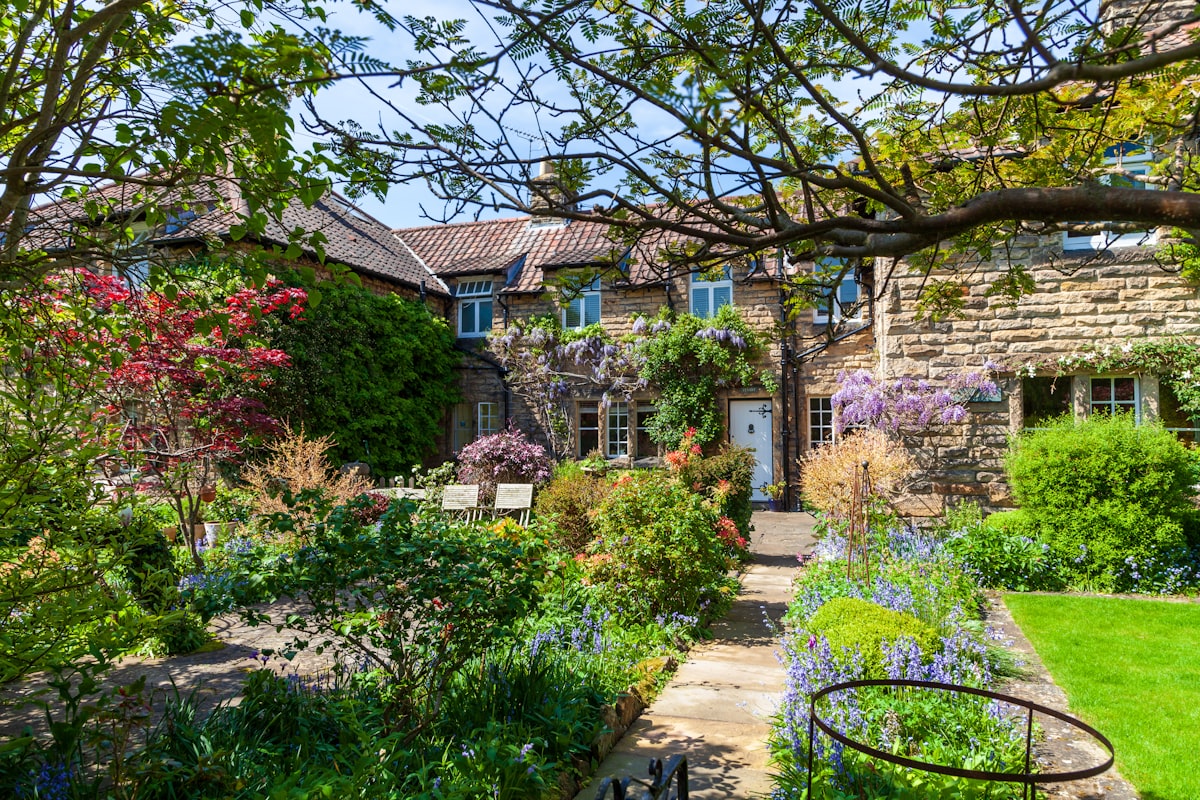
A clear, well-designed walkway guides visitors to your front door and instantly upgrades curb appeal. The Concrete Network reports that a new front walkway costs between $6-$12 per square foot for pavers and returns significant value at resale.
Natural stone, flagstone, and concrete pavers all work well in Northern Virginia. Bluestone is a popular regional choice that complements both colonial and contemporary architecture. For a more budget-friendly option, stamped concrete can mimic the look of stone at roughly half the cost.
Width matters. A front walkway should be at least 4 feet wide so two people can walk side by side comfortably. Curve it gently rather than running it straight from the driveway to the door. Curves create visual interest and slow visitors down to appreciate your landscaping.
Many homeowners focus entirely on the walkway material but overlook edge treatment. Adding a low border of dwarf boxwood or mondo grass along both sides of the walkway frames the path and makes even basic concrete look intentional.
3. Add Landscape Lighting for Evening Curb Appeal
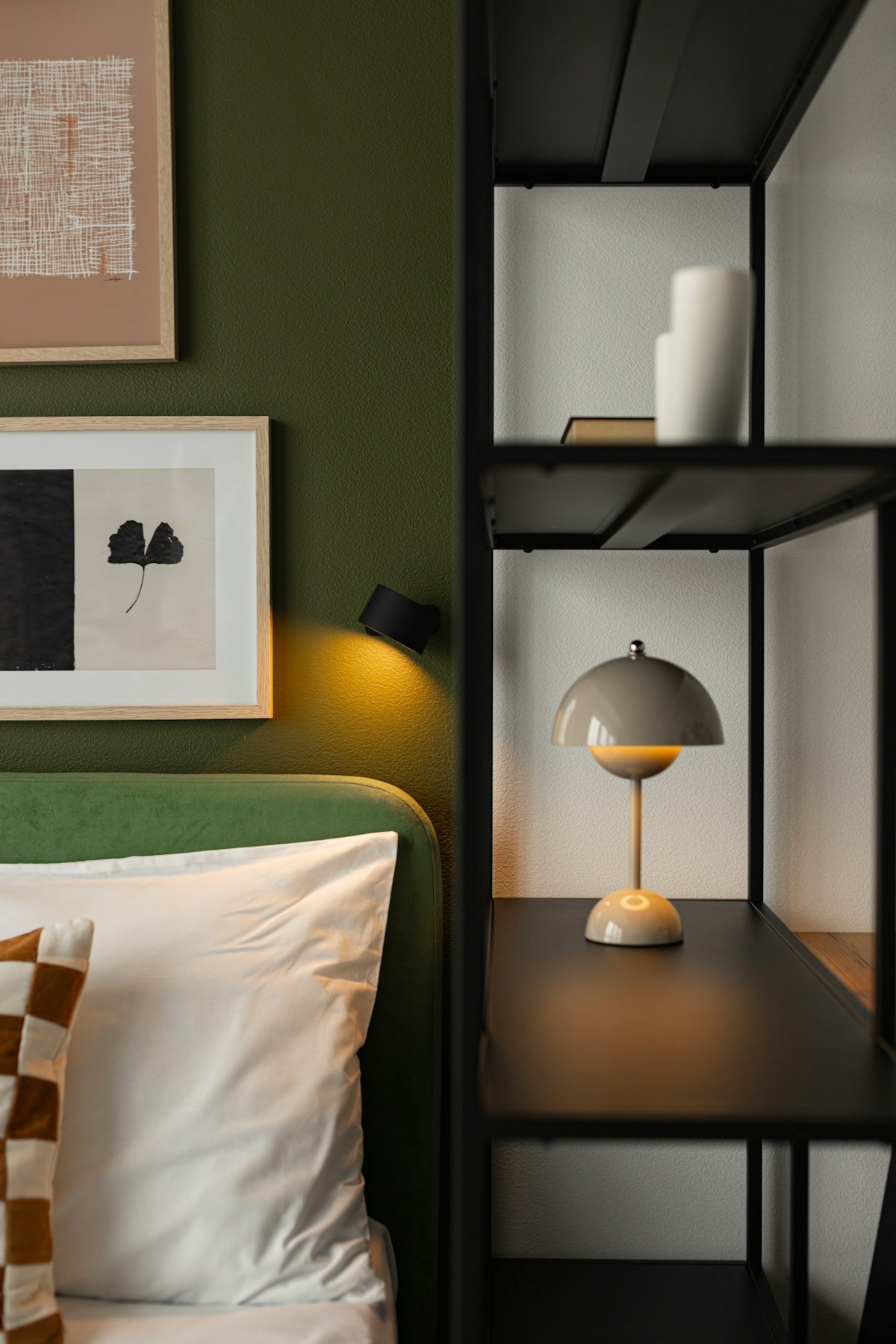
Your front yard doesn't disappear at sunset, so why should its design impact? The American Lighting Association notes that well-planned landscape lighting increases perceived home value by up to 20%. It also improves safety on walkways and steps.
Focus on three types of front yard lighting: path lights along your walkway, uplights to accent specimen trees or architectural features, and downlights near your front door for a welcoming glow. LED fixtures use about 75% less energy than incandescent alternatives (U.S. Department of Energy, 2023).
In Northern Virginia, low-voltage LED systems are the standard. They're safe, energy-efficient, and easy to install without trenching permits in most jurisdictions. Warm white (2700K-3000K) creates the most inviting atmosphere.
4. Plant Native Trees and Shrubs for Year-Round Interest
Native plants are the smartest long-term investment in any front yard landscape design. The Virginia Department of Conservation and Recreation reports that native species require 25-50% less water than non-native ornamentals once established.
Top performers for Northern Virginia front yards include Eastern redbud (stunning spring blooms), American beautyberry (purple fall berries), and winterberry holly (bright red winter berries). These plants provide seasonal interest without excessive maintenance.
Native plants for Virginia's Zone 7a climate require 25-50% less water than non-native ornamentals, according to the Virginia Department of Conservation and Recreation. Eastern redbud, American beautyberry, and winterberry holly deliver four-season interest with minimal intervention.
Why does this matter for HOA compliance? Most Northern Virginia homeowners associations actually prefer native plantings because they require less irrigation and chemical treatment. That makes them easier to maintain and more environmentally responsible.
In our experience working across Loudoun and Fairfax County communities, HOA architectural review boards approve native plant palettes at a higher rate than exotic species proposals. Native plants are seen as lower-risk and more regionally appropriate.
5. Define Your Yard with Decorative Edging and Borders
Clean edges are the fastest way to make a front yard look professionally maintained. According to Lawn & Landscape Magazine, defined bed edges are the number one detail that separates DIY landscaping from professional results.
Options range from simple steel edging ($2-$4 per linear foot) to natural stone borders ($8-$15 per linear foot). For Northern Virginia homes, Belgian block and Pennsylvania fieldstone are classic choices that complement the region's architectural styles.
Edging serves a practical purpose too. It prevents mulch from washing into your lawn during heavy rains, which happen frequently in the Mid-Atlantic from May through September. A defined border also makes mowing faster and cleaner.
Refresh your bed edges each spring. Even the best edging shifts over time with freeze-thaw cycles. An annual cleanup takes a few hours but makes the entire front yard look freshly installed.
6. Install a Focal Point With a Specimen Tree or Garden Feature
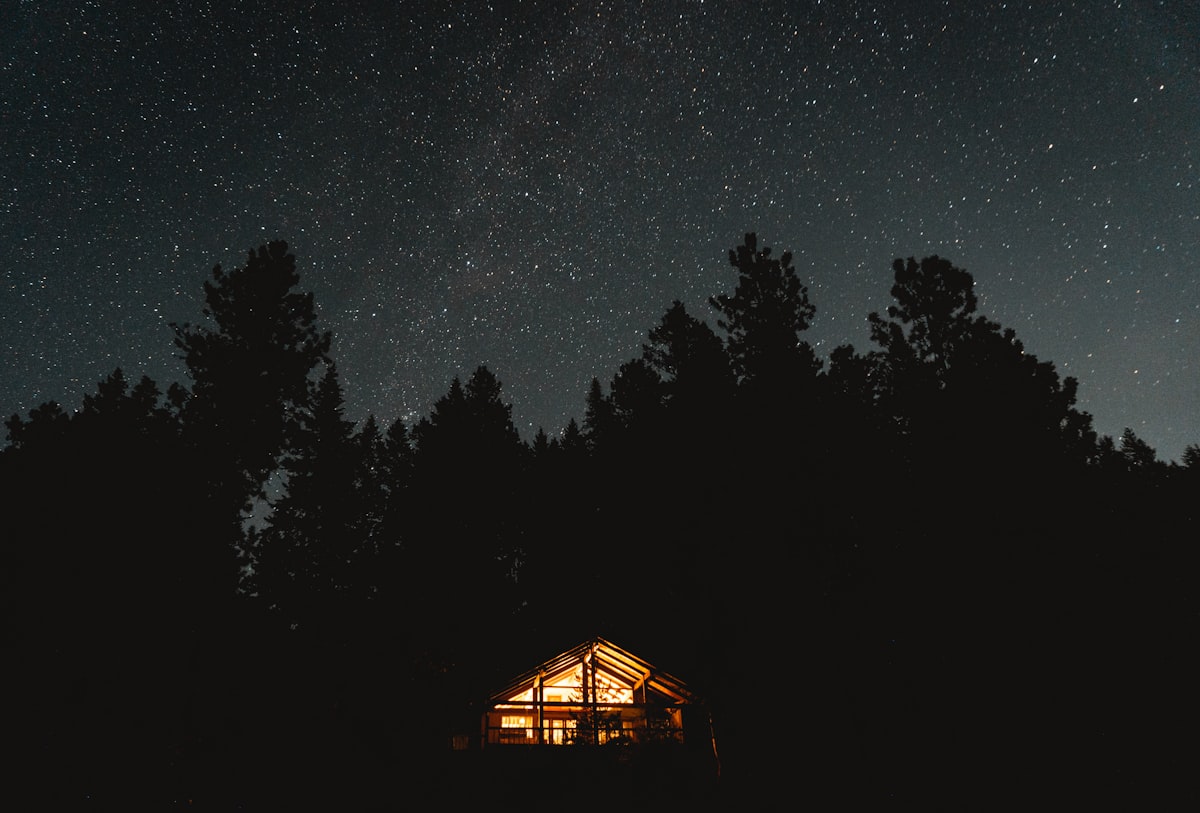
Every front yard needs a visual anchor. A specimen tree or garden feature draws the eye and gives your landscape a sense of scale. The Arbor Day Foundation estimates that a mature shade tree can reduce air conditioning costs by up to 25%.
For Northern Virginia, Japanese maple is a classic front yard specimen. It offers dramatic foliage color in fall and an elegant branching structure in winter. Crape myrtles are another strong choice, with summer blooms that last 60-90 days.
If a tree doesn't fit your space, consider a large decorative boulder, a birdbath, or a low garden wall as your focal point. Position it slightly off-center from your front door for the most natural look. Symmetry can feel rigid, and a slightly asymmetric placement creates a more relaxed, inviting composition.
A common mistake is placing the focal point too close to the house. Set it at the one-third point of your yard depth, measured from the street. This draws the eye forward through the entire landscape rather than jumping straight to the front door.
7. Use Color Strategically With Seasonal Flower Beds
Color gets attention. The National Gardening Association reports that 78% of homeowners say flowering plants are the most important element of a beautiful landscape. But random color placement can look chaotic.
Pick two or three complementary colors and repeat them across your front yard. In spring, pair purple salvias with yellow coreopsis. In summer, switch to white hydrangeas with blue Russian sage. This repetition creates rhythm, and rhythm is what makes a landscape feel designed rather than accidental.
Annual color beds near the front door and along the walkway deliver the biggest visual impact per dollar spent. Budget $200-$400 per season for a typical Northern Virginia front yard, and rotate plantings in spring and fall for continuous color.
Don't forget foliage color. Burgundy-leaved heuchera, silver-toned dusty miller, and chartreuse sweet potato vine add contrast even when nothing is blooming.
8. Upgrade Your Driveway Borders and Street-Facing Edges
The driveway border is the most overlooked area in front yard landscape design. Yet it's one of the first things people notice when approaching your home. Remodeling Magazine's Cost vs. Value Report ranks curb appeal improvements among the top exterior renovation investments.
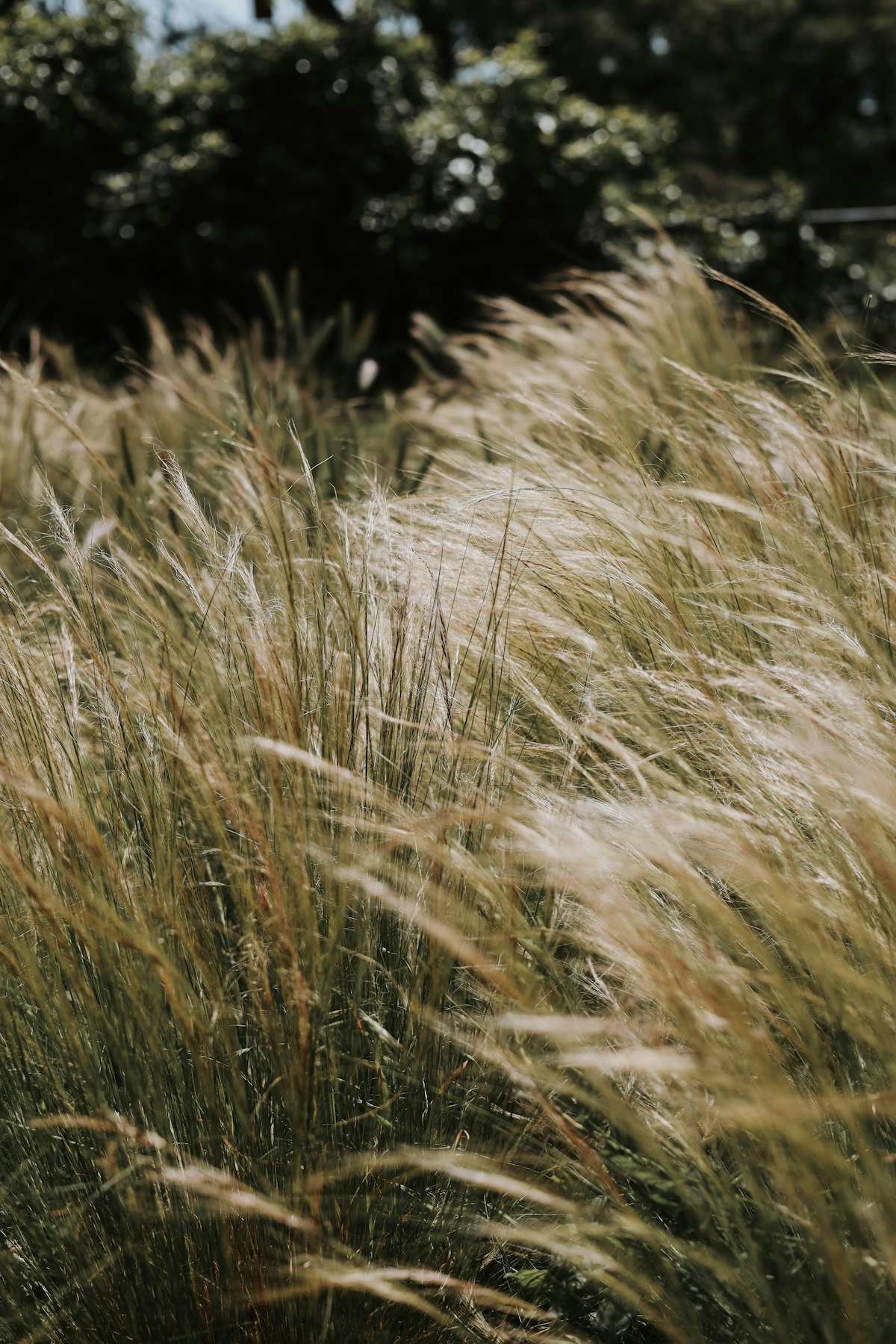
Low ornamental grasses like blue fescue or Karl Foerster feather reed grass soften the hard edge where asphalt or concrete meets lawn. They sway in the breeze, adding movement and texture. A row of dwarf nandina or compact boxwood provides a more formal look.
For homes with longer driveways common in Great Falls and parts of Leesburg, consider planting a row of trees along one side. Crepe myrtles or Yoshino cherries create a canopy effect that transforms a plain driveway into an arrival experience.
9. Incorporate a Small Front Porch Garden or Container Display
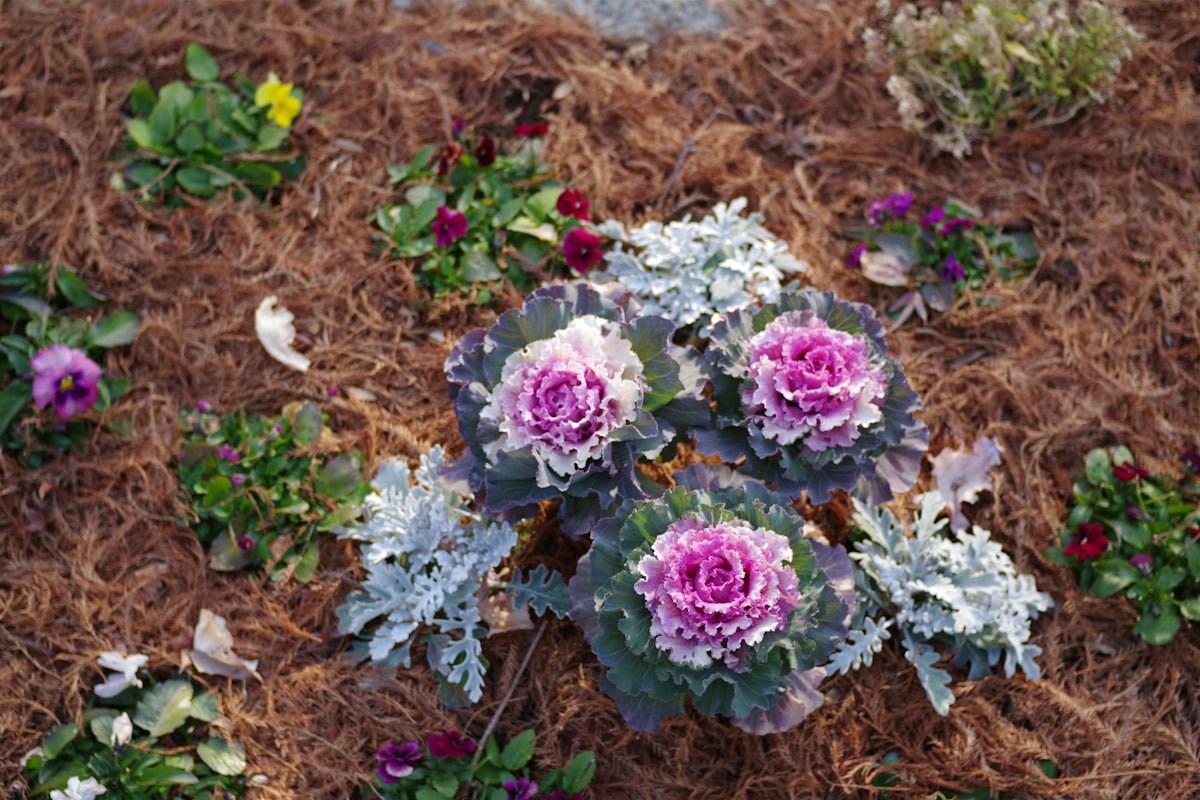
Not every front yard has room for extensive garden beds. Container gardens solve that problem. The Garden Center Magazine notes that container gardening has grown 25% in popularity since 2020, driven by homeowners with smaller yards or paved front areas.
Group containers in odd numbers (three or five) near your front door for the strongest visual impact. Vary the heights. Use a tall planter with a small ornamental tree, a medium pot with seasonal flowers, and a low bowl with trailing plants.
For Northern Virginia's climate, use frost-resistant containers made of fiberglass or thick ceramic. Terra cotta cracks in freezing temperatures, which means you'd be replacing pots every winter. Fiberglass looks just as elegant and lasts for years.
This is also a perfect solution for townhome owners in Ashburn, Reston, and Sterling where HOA rules may limit in-ground planting. Containers give you full control over your front entrance without modifying common areas.
10. Plan for Four-Season Curb Appeal
The best front yard landscape designs look good in every season. Better Homes & Gardens recommends including at least one plant for each season's peak interest: spring blooms, summer flowers, fall foliage, and winter structure.
Here's a simple four-season framework for Northern Virginia:
- Spring: Eastern redbud, azaleas, daffodils
- Summer: Crape myrtle, black-eyed Susan, butterfly bush
- Fall: Japanese maple, ornamental grasses, mums
- Winter: Holly berries, evergreen boxwood, ornamental bark (river birch, crepe myrtle)
Evergreens should make up about 30-40% of your total plantings. They're the backbone that keeps your yard from looking bare from December through March. Without that evergreen structure, even the most colorful spring and summer garden will leave your front yard looking empty for four months of the year.
How Much Does Front Yard Landscaping Cost in Northern Virginia?
Budgets vary widely, but homeowners should expect to invest $5,000-$15,000 for a comprehensive front yard redesign in Northern Virginia. The HomeAdvisor national average for professional landscaping falls between $4,000-$20,000, with Mid-Atlantic costs trending toward the higher end due to labor rates and material availability.
Professional front yard landscaping in Northern Virginia typically costs $5,000-$15,000, according to HomeAdvisor data. This investment recovers up to 217% at resale per the National Association of Realtors, making it one of the strongest returns available in exterior home improvement.
Here's how costs typically break down:
- Design and planning: $500-$2,000
- Plant material: $1,500-$5,000
- Hardscape (walkways, edging, walls): $2,000-$8,000
- Landscape lighting: $1,500-$4,000
- Mulch, soil amendments, cleanup: $500-$1,500
A phased approach works well if budget is a concern. Start with foundation plantings and walkway in year one, add lighting and a specimen tree in year two, and finish with seasonal color beds in year three.
What Should Northern Virginia Homeowners Know About HOA Landscaping Rules?
Roughly 82% of new homes in Virginia are built within HOA-governed communities, according to the Community Associations Institute. That means most front yard landscape projects in Ashburn, Reston, Sterling, and Herndon require architectural review board approval before work begins.
Common HOA restrictions include:
- Plant height limits near property lines (often 6 feet maximum)
- Approved plant lists that favor native or regionally appropriate species
- Hardscape material restrictions (some communities ban certain paver colors)
- Fence and wall limitations in front yards (many communities prohibit them entirely)
- Mulch color requirements (dark brown or black mulch is standard in most communities)
We've found that submitting a professional landscape plan with your HOA application dramatically increases approval rates. Boards respond well to detailed drawings, plant lists with mature sizes, and material samples. A vague description almost always triggers follow-up questions and delays.
Always request a copy of your community's design guidelines before starting any front yard project. Your landscape designer should incorporate these requirements into the plan from the beginning, not as an afterthought.
Frequently Asked Questions
What is the cheapest way to improve front yard curb appeal?
Fresh mulch, clean bed edges, and a trimmed lawn deliver the most impact for the lowest cost. The National Association of Realtors found that basic lawn care and maintenance recover 217% of costs. Budget $200-$500 for mulch and edging on a typical front yard, and you'll see an immediate visual improvement that neighbors notice right away.
How long does a front yard landscape design project take?
Most front yard projects in Northern Virginia take 2-6 weeks from design approval to completion. The design phase itself requires 1-2 weeks. Planting and hardscape installation depend on project scope and weather, but a typical front yard renovation wraps up within a month. Spring and fall are the best seasons to install, as plants establish roots more easily in mild temperatures.
Which plants are best for front yards in Northern Virginia's Zone 7a climate?
Native and adaptive species perform best. Eastern redbud, Knock Out roses, inkberry holly, liriope, and Virginia sweetspire all thrive in Zone 7a with minimal supplemental watering once established. The Virginia Native Plant Society maintains a searchable database of species suited to specific Virginia regions. Choose plants rated for Zones 6-8 for the best cold hardiness margin.
Do I need a permit for front yard landscaping in Loudoun or Fairfax County?
Standard planting and mulching don't require permits. However, retaining walls over 4 feet, grading changes that affect drainage, and any work within a public right-of-way may need county approval. Loudoun and Fairfax counties each have their own requirements, so check with your local building department. HOA approval is separate from county permits, and you may need both.
How can I make my front yard low-maintenance?
Choose native plants that don't need frequent watering, use 2-3 inches of mulch to suppress weeds, and install drip irrigation for targeted watering. The EPA WaterSense Program estimates that smart irrigation controllers reduce outdoor water use by 20%. Eliminate high-maintenance annual beds in favor of perennial plantings that return each year without replanting.
Ready to Transform Your Front Yard?
A well-designed front yard is an investment that pays you back every single day, in enjoyment, property value, and neighborhood pride. From layered foundation plantings to landscape lighting and native trees, each of these ideas builds on the others to create a cohesive, welcoming entrance.
Northern Virginia's climate and HOA landscape make professional guidance especially valuable. The right plant choices, proper spacing, and code-compliant design prevent costly mistakes down the road.
Sunrise Landscape and Design has spent 39+ years helping homeowners across Ashburn, Leesburg, Reston, Vienna, McLean, Great Falls, Herndon, and Sterling create front yards that stand out. Schedule a free front yard design consultation and let's build a plan that fits your home, your budget, and your vision.